
Pastoral Care
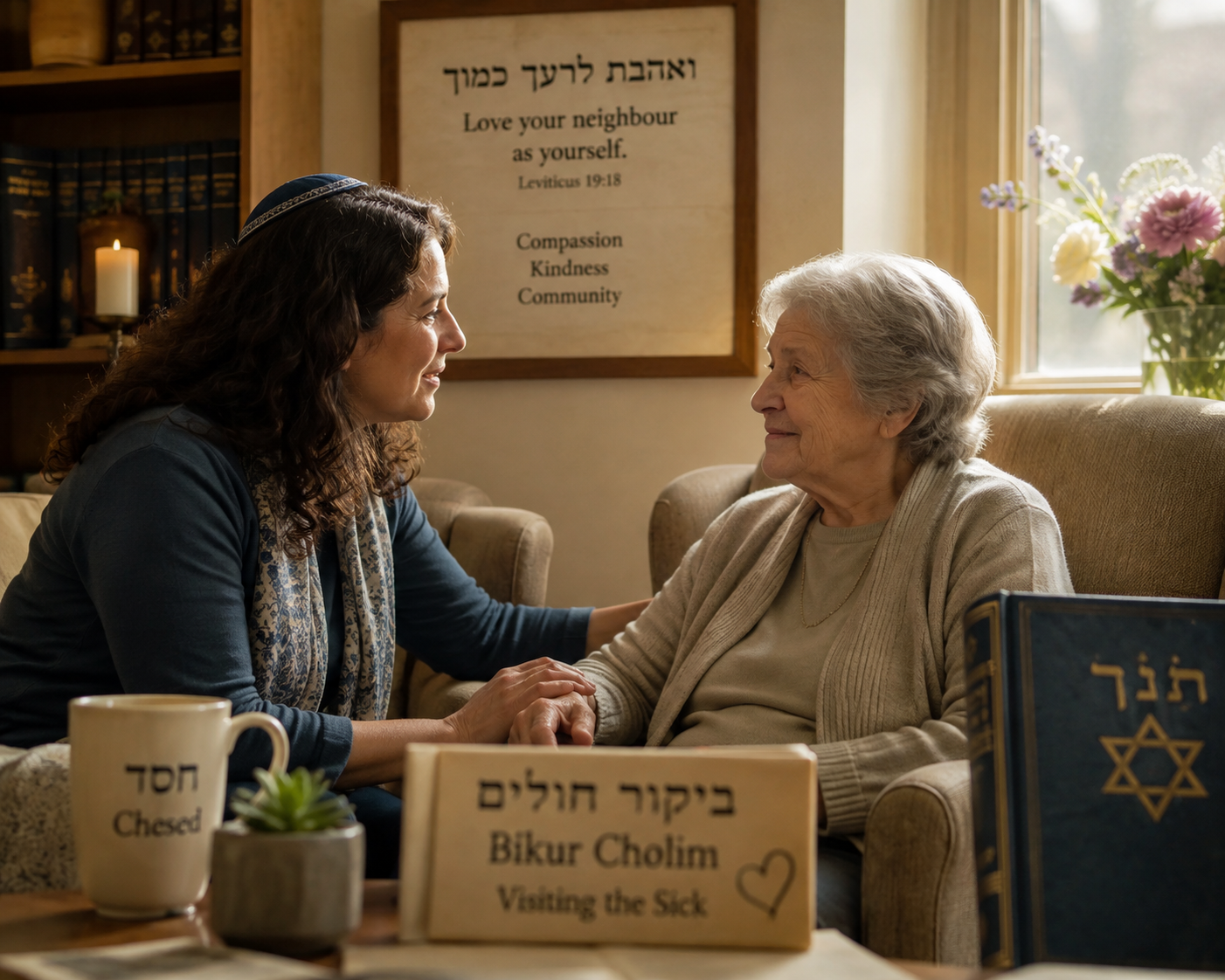
Jewish Pastoral Care in a Small Synagogue
Jewish pastoral care is about being present for people at the moments in life when they most need connection, compassion and support. In a small synagogue, pastoral care is often especially personal. It grows from knowing one another, noticing when someone is struggling, and creating a community where people feel seen, valued and not alone.
Pastoral care may involve visiting or contacting someone who is unwell, offering support to a person or family experiencing bereavement, welcoming someone who is new to the community, or simply taking the time to listen when life becomes difficult. It can also include supporting members through significant transitions such as marriage, separation, retirement, ageing, or other major changes in their lives. Sometimes the most meaningful pastoral care is simply a phone call, a cup of coffee, or sitting quietly with someone.
Jewish pastoral care is grounded in Jewish values and traditions. Concepts such as chesed (loving-kindness), bikur cholim (visiting and supporting the sick), nichum aveilim (comforting mourners), and tzedakah (acts of justice and generosity) remind us of our responsibility to care for one another. Pastoral care can also provide opportunities for people to draw strength from prayer, Jewish learning, ritual and community, according to their own needs and beliefs.
In a small synagogue, pastoral care does not belong to one person alone. The rabbi, lay leaders, pastoral volunteers and members of the congregation can all play a role. At the same time, it is important to recognise the boundaries of pastoral care. Volunteers and community leaders are not expected to be counsellors, social workers or medical professionals. Where appropriate, people should be encouraged and assisted to access professional support while continuing to receive the warmth and companionship of their Jewish community.
Ultimately, Jewish pastoral care is an expression of what it means to be a kehillah — a community that takes responsibility for one another. It reminds us that a synagogue is not only a place for prayer and learning, but also a place where people can find friendship, dignity, comfort and belonging throughout the different stages of life.